Non-Surgical Gum Disease Treatment: Benefits and Expectations
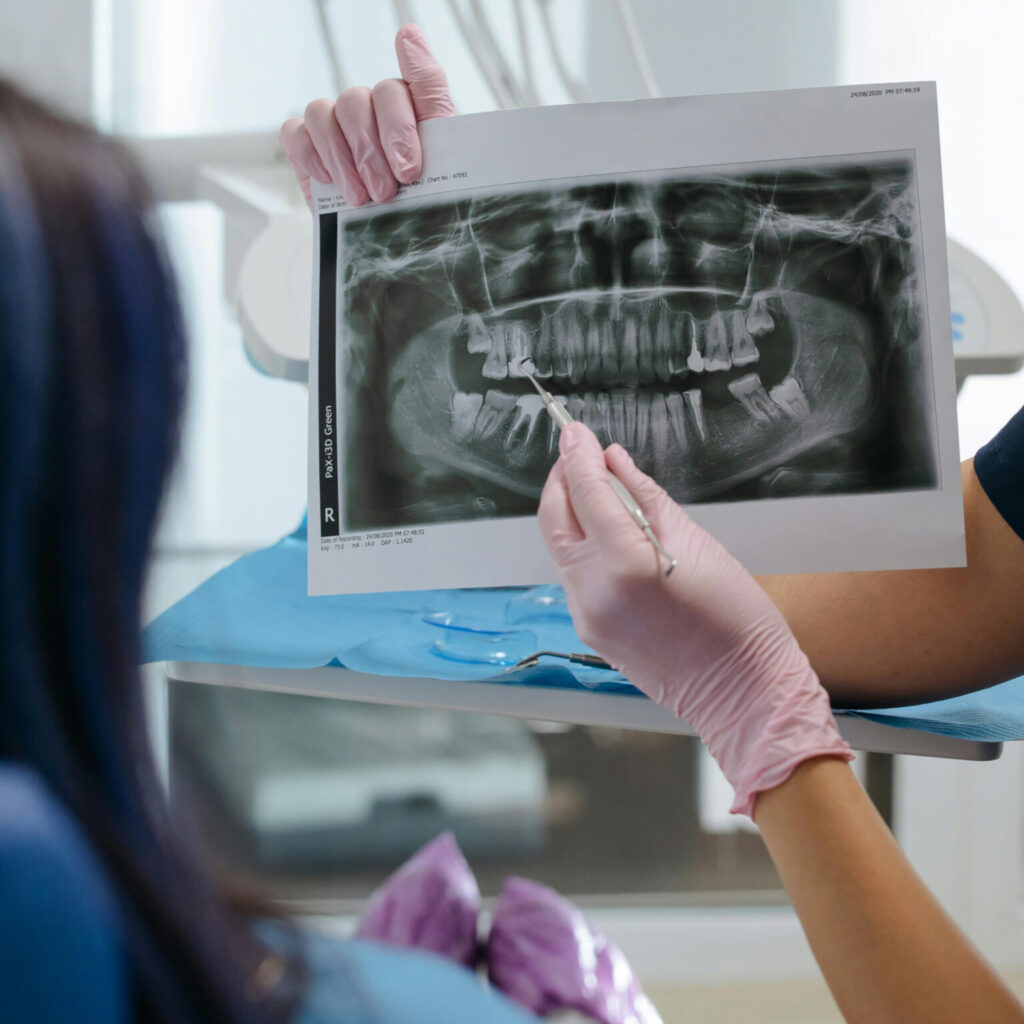

Gum disease rarely arrives with drama. Most people do not wake up one morning with severe pain and realize something is wrong. It tends to creep in quietly, through bleeding during brushing, a little tenderness near the gumline, persistent bad breath, or teeth that seem slightly longer than they used to be. By the time many patients sit in a dental chair and ask about Gum Disease Treatment, they are often surprised to learn that the problem has been building for months or even years.
The good news is that not every case requires surgery. In fact, a large share of gum disease can be treated effectively with non-surgical care, especially when it is caught before bone loss becomes advanced. This matters because treatment at that stage is usually less invasive, more affordable, and easier to recover from. It also gives patients a real chance to stabilize their oral health before facing more complex procedures later.
Non-surgical treatment is not a shortcut or a lesser version of care. Done properly, it is the foundation of periodontal therapy. Even when surgery is eventually needed, dentists and periodontists still begin by controlling infection, reducing inflammation, and removing the bacterial deposits that caused the problem in the first place. That first phase shapes everything that follows.
What gum disease actually is
Gum disease begins with plaque, the sticky bacterial film that collects around teeth every day. If it is not removed thoroughly, it hardens into tartar, also called calculus, which clings to the tooth surface and provides an even rougher place for bacteria to accumulate. The body responds with inflammation. At first, this early stage is gingivitis. Gums may look redder than usual, bleed during flossing, or feel puffy. At this point, damage is usually reversible.
Periodontitis is a different situation. Once inflammation extends deeper, the supporting tissues around the teeth start to break down. The gum may pull away from the tooth, forming a periodontal pocket. Bone can begin to recede. Teeth may feel loose or shift slightly. Treatment is still possible, often very successful, but the goal changes. Instead of simply reversing mild inflammation, the focus becomes controlling infection and preserving as much support as possible.
One of the persistent myths in dentistry is that gum disease always hurts. In practice, it often does not. I have seen patients with surprisingly advanced periodontal pockets tell me they felt fine. That disconnect is one reason regular cleanings and periodontal evaluations matter so much. The absence of pain is not the same as the absence of disease.
When non-surgical treatment makes sense
Non-surgical Gum Disease Treatment is usually recommended for gingivitis and for many cases of mild to moderate periodontitis. It is also used as an initial phase of care in more advanced cases. The exact plan depends on pocket depths, bleeding, tartar buildup, gum recession, mobility, bone levels on X-rays, smoking status, diabetes control, and home care habits.
A patient with widespread bleeding and four to five millimeter pockets may respond very well to scaling and root planing, improved home care, and close maintenance. Another patient with similar pocket numbers but heavy smoking, uncontrolled blood sugar, and years of irregular dental visits may need a longer course of therapy and a more guarded prognosis. The disease does not behave the same way in every mouth.
This is where professional judgment matters. Treatment decisions are not based on one measurement alone. They are based on patterns. How much bleeding is present. Whether the pockets are generalized or isolated. Whether bone loss is horizontal or vertical. Whether the patient can realistically keep the area clean after treatment. Those details influence whether non-surgical care is likely to hold up well over time.
What non-surgical treatment usually includes
The backbone of treatment is deep cleaning below the gumline, commonly called scaling and root planing. Scaling removes plaque and tartar from the tooth surface and from inside periodontal pockets. Root planing smooths the root surface so bacteria have a harder time reattaching and the gum tissue has a better chance to heal against the tooth.
This is not the same as a routine cleaning. A standard preventive cleaning is designed for mouths without active periodontal disease, or with very limited buildup above the gums. Scaling and root planing is more involved. It targets deposits under the gums and addresses infected pocket areas that a regular cleaning does not fully manage.
Local anesthetic is often used, particularly when deeper pockets are present or when multiple areas are treated in one visit. Many offices divide treatment into quadrants, treating one side or one half of the mouth at a time. That approach keeps patients comfortable and allows the clinician to work thoroughly. Some people prefer to complete everything quickly, while others do better with shorter appointments. Either can work if the care is meticulous.
Depending on the case, the dentist or periodontist may also recommend antimicrobial rinses, localized antibiotic therapy placed into deeper pockets, or adjustments to a home care routine. These additions can help, but they do not replace mechanical cleaning. Bacteria living in hardened deposits and biofilm need to be physically disrupted. That principle has not changed.
What the appointment feels like
Patients often assume deep cleaning will be severe or painful. Most are relieved to find it is manageable. Numbing makes the procedure far more comfortable, and modern ultrasonic instruments can remove deposits efficiently while minimizing trauma. That said, the experience is not identical for everyone.
If a patient has a lot of inflammation, the gums may feel tender during and after treatment. Teeth with exposed roots can be temperature sensitive for a few days. It is also common to notice the gums look less swollen afterward, which can make spaces between teeth seem more visible. That change can be unsettling if no one mentions it ahead of time, but it usually reflects reduced inflammation rather than new damage.
A practical way to think about recovery is that the mouth tends to feel bruised rather than acutely painful. Mild soreness for a day or two is common. Sharp or escalating pain is not. Soft foods, careful brushing, and temporary sensitivity toothpaste are often enough to get people through the first several days.
The real benefits of non-surgical care
When treatment works well, the changes can be obvious. Bleeding decreases. Breath improves. The gums look tighter and pinker. Deep pockets may shrink as inflammation resolves and the tissue firms up around the teeth. That shift is more important than it sounds. A pocket that measures five or six millimeters before therapy may become much easier to maintain if it reduces even by one or two millimeters.
The benefits usually include the following:
- Reduced inflammation and bleeding, which are among the clearest signs that infection is coming under control.
- Shallower periodontal pockets, making daily brushing and flossing more effective.
- Better long-term tooth stability by slowing or halting further attachment loss.
- Lower likelihood of needing surgery in milder or well-responding cases.
- Fresher breath and improved comfort during eating, brushing, and routine dental care.
Those outcomes can have a substantial effect on quality of life. Patients who have been embarrassed by bleeding during a cleaning or by chronic bad breath often notice improvements within weeks. Others are motivated by the prospect of keeping their natural teeth longer, which is a meaningful goal. Replacing teeth is possible, but it is almost always more expensive and more complicated than preserving what is already there.
What non-surgical treatment cannot do
It is just as important to understand the limits. Non-surgical care cannot regrow lost bone in a predictable way. It cannot always eliminate very deep pockets. It cannot overcome continued smoking, heavy plaque accumulation, or neglected follow-up. And it cannot guarantee that every tooth can be saved.
This is where expectations need to stay grounded. A patient may hope that one round of deep cleaning will restore the mouth to a pre-disease state. That is not realistic when attachment loss has already occurred. The actual goal is disease control. Control means stopping active breakdown, reducing bacterial burden, making the mouth easier to maintain, and preserving function for as long as possible.
There are also anatomic limits. Some root surfaces are irregular. Some furcation areas, where the roots of back teeth divide, are difficult to clean even for skilled clinicians. In those situations, non-surgical therapy may improve the condition without completely resolving it. That still has value. It can reduce inflammation, clarify which areas remain problematic, and help determine whether surgical access is worth considering.
The first few weeks after treatment
Healing is not dramatic, but it is meaningful. The gums begin to calm down quickly once the bacterial load is reduced. Bleeding often improves within a couple of weeks if home care is solid. Tissue tone changes more gradually. Reevaluation commonly happens around four to six weeks after treatment, though schedules vary.
At that follow-up, the clinician measures pockets again, checks for persistent bleeding, and compares the response area by area. Some sites improve beautifully. Others stay stubborn. That mixed response is common. Front teeth with straightforward root surfaces may tighten up quickly, while molars with deep furcations may remain difficult.
Most patients also discover that their home routine matters more than they realized. Treatment can remove disease-causing deposits from below the gumline, but it does not create a self-cleaning mouth. If https://ameblo.jp/miloekld447/entry-12977458838.html brushing remains rushed and flossing remains occasional, inflammation returns. This is why periodontal therapy is often described as a partnership. The office can do the deep work, but long-term success happens at the sink twice a day.
Home care after deep cleaning
Patients often ask whether they should brush less aggressively after treatment. The answer is not to avoid cleaning, but to clean gently and thoroughly. A soft-bristled toothbrush, small circular motions near the gumline, and some patience work better than scrubbing. Interdental brushes can be helpful where spaces between teeth have opened up, especially in adults with gum recession or triangular gaps.
A few practical habits make the biggest difference:
- Brush twice daily for a full two minutes, paying special attention to the gumline.
- Clean between the teeth every day with floss, picks, or interdental brushes suited to the space.
- Use any prescribed rinse exactly as directed, rather than indefinitely on your own.
- Return for reevaluation and periodontal maintenance on schedule, even if the mouth feels normal.
- Address smoking and blood sugar control if either is contributing to ongoing inflammation.
That last point deserves emphasis. In real practice, some of the strongest periodontal improvements happen when medical and lifestyle factors improve alongside dental care. A patient who quits smoking and starts consistent home care can show a dramatic reduction in bleeding and pocket inflammation. Another patient with technically good treatment but persistent tobacco use may plateau early.
How long the results last
There is no universal timeline because periodontal disease is not a one-time event like filling a cavity. It is a chronic inflammatory condition tied to bacteria, host response, and daily habits. If the mouth stays clean and maintenance visits are kept, non-surgical results can remain stable for years. If maintenance is skipped, pockets can deepen again.
This is why periodontal maintenance is different from an ordinary cleaning schedule. Many patients with a history of periodontitis are seen every three or four months, at least initially. That interval is not arbitrary. It reflects how quickly disease can reactivate in susceptible mouths. The visit allows the clinician to remove new deposits, monitor pocket changes, and catch relapse before it becomes severe.
Patients sometimes resist more frequent visits because they feel well. I understand the hesitation, especially when time and cost are concerns. But from a practical standpoint, three shorter maintenance appointments can be far easier than one major flare-up that requires retreatment, antibiotics, or surgery.
Cases where surgery may still enter the conversation
Non-surgical treatment is often enough, but not always. If deep pockets remain after careful scaling and root planing, especially pockets over five or six millimeters with persistent bleeding, surgical treatment may be discussed. The reason is access. In some areas, it becomes difficult to thoroughly clean the root surface without lifting the gum tissue to see the defect directly.
Surgery may also be considered when there are vertical bone defects that might benefit from regenerative procedures, or when gum recession, esthetics, and root exposure need separate management. That does not mean non-surgical care failed. It means the first phase clarified what can be managed conservatively and what still requires a different approach.
A common real-life scenario is the patient whose whole mouth improves except for two lower molars and one upper molar. Instead of treating the entire mouth surgically, the clinician may recommend maintenance for the stable areas and targeted surgery only where deep residual pockets persist. That selective approach is one of the strengths of staged periodontal care.
Questions patients should ask before starting
Good treatment begins with clarity. Patients should understand what stage of disease they have, what teeth or areas are most affected, and how success will be measured. It is reasonable to ask whether numbness will be used, how many visits are expected, what post-treatment sensitivity is likely, and when reevaluation will happen.
It is also worth asking about prognosis in plain terms. Some teeth are highly maintainable even with moderate bone loss. Others have less favorable anatomy, mobility, or furcation involvement. Honest conversations at the beginning help patients make informed choices and avoid disappointment later. There is no advantage in pretending every tooth has the same outlook.
Cost, value, and the bigger picture
Non-surgical Gum Disease Treatment typically costs more than a standard cleaning because it is more complex and time-intensive. That can create sticker shock, especially for patients who did not realize they had active periodontal disease. Yet viewed over the long term, treating early disease is usually far less expensive than ignoring it.
Untreated periodontitis can lead to repeated infections, discomfort, tooth movement, tooth loss, replacement costs, and restorative complications down the line. A bridge or implant may solve one missing tooth, but it does not address uncontrolled inflammation elsewhere. The mouth works as a system. Stabilizing the gums protects not just the teeth, but also any crowns, fillings, or implants already present.
From a professional standpoint, some of the most satisfying cases are not dramatic smile makeovers. They are the quiet turnarounds. A patient who came in with generalized bleeding, avoided flossing because it always hurt, and expected bad news, then returns six weeks later with healthier tissue and renewed confidence. The improvement is not cosmetic alone. It changes how the person experiences daily life.
What to expect emotionally, not just clinically
People often carry more anxiety about gum disease than they admit. They worry about losing teeth, being judged for their habits, or facing painful treatment. A skilled dental team recognizes that and explains the process without shame. Gum disease is common. What matters most is how it is managed once discovered.
The emotional side of treatment also shifts over time. Before the first visit, the fear is often about the procedure itself. After treatment, the challenge becomes consistency. Daily interdental cleaning is not glamorous. Maintenance visits are easy to postpone. That is where motivation can fade, especially once symptoms improve. But periodontal stability depends less on a single heroic appointment and more on steady, ordinary habits.
That may be the most useful expectation to carry into treatment. Non-surgical care is neither a miracle nor a punishment. It is a practical, evidence-based way to reduce infection and protect the structures that hold teeth in place. For many patients, it is enough to restore health to a manageable level. For others, it is the essential first step that makes later treatment more precise and more successful.
Either way, early action matters. Bleeding gums are not normal. Chronic bad breath has a cause. Tenderness around the gumline, gum recession, and changes in tooth position deserve attention sooner rather than later. The earlier Gum Disease Treatment begins, the more conservative it can often remain, and the better the odds of keeping your natural teeth strong, comfortable, and functional for years ahead.
Dental Group Of Beverly Hills
Address: 8641 Wilshire Blvd #125, Beverly Hills, CA 90211
Phone number: +13109296335
FAQ About Gum Disease Treatment
How to improve gum health quickly?
To improve gum health quickly, eliminate plaque buildup by brushing for two full minutes twice a day at a 45-degree angle to the gumline. Floss daily to clean under the gumline, and rinse with an antimicrobial, alcohol-free mouthwash. For immediate relief of soreness, use a warm saltwater rinse.
What is the fastest way to cure gum disease?
To quickly cure early-stage gum disease (gingivitis), eliminate the plaque buildup causing the inflammation. Brush gently but thoroughly for two minutes twice daily, floss daily, and use an antibacterial mouthwash or a warm saltwater rinse. However, if tartar has hardened, professional treatment is necessary.
How do I treat my gum disease at home?
You can treat early gum disease at home by practicing strict daily oral hygiene, rinsing with salt water or antibacterial mouthwash, and quitting smoking. True gum disease (especially advanced forms like periodontitis) cannot be fully cured at home once tartar forms, and you must see a dentist for professional cleanings.